
Understanding the Vitreous and Its Role in Eye Health
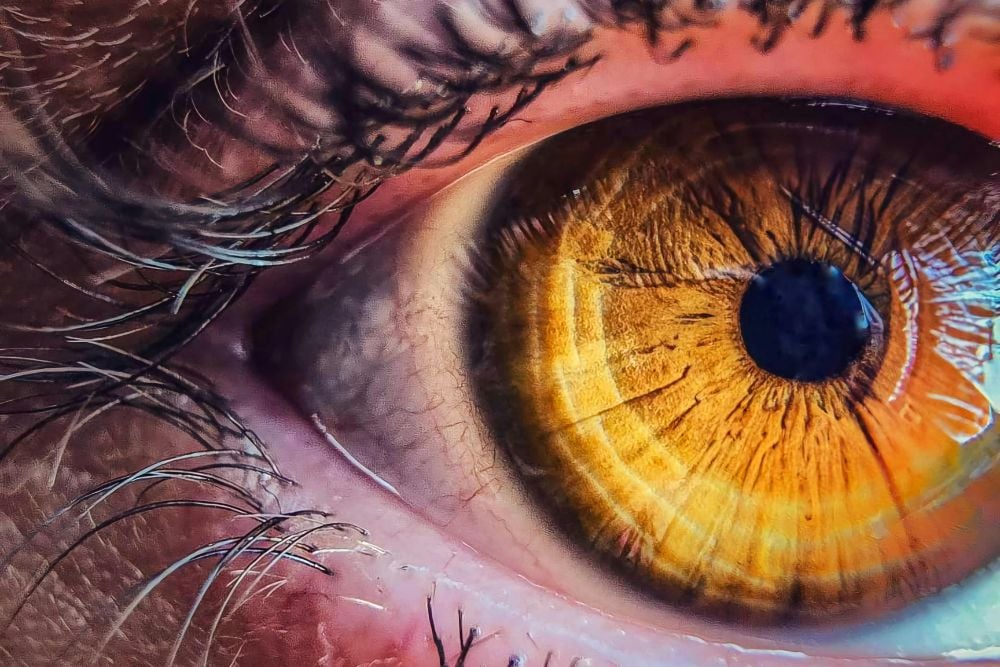
Many people are familiar with the major structures of the eye, such as the cornea and retina, but fewer are aware of the vitreous. The vitreous, situated between the retina and the lens, is a gel-like material that occupies the majority of the eye's interior cavity. It plays an important role in maintaining the eye’s internal structure and supporting the retina so it can function properly.
As we age, the vitreous naturally begins to change. These changes are common, but they can sometimes lead to new visual symptoms, such as floaters or flashes of light that an eye specialist should evaluate.
Common Vitreous Changes and Conditions
As the vitreous ages, it gradually becomes more liquid and may begin to shrink or pull away from the retina. This process can lead to several common conditions, including:
- Posterior vitreous detachment (PVD): A normal age-related change where the vitreous separates from the retina. It is most common in adults over age 50 and may cause flashes of light or new floaters.
- Floaters: Small spots, threads, cobweb-like shapes, or shadowy figures that drift across vision. These are caused by tiny clumps within the vitreous casting shadows on the retina. While occasional floaters can be normal, a sudden increase should be evaluated.
- Vitreous hemorrhage: Bleeding into the vitreous, which may occur due to retinal tears, diabetic eye disease, trauma, or other retinal conditions. Symptoms can include a sudden onset of floaters, blurred or hazy vision, or dark spots in the visual field.
How the Vitreous Can Affect the Retina
Because the vitreous is closely connected to the retina, changes within it can sometimes lead to complications. As the vitreous separates from the retina during a posterior vitreous detachment, it may pull on the retinal surface. In some cases, this traction can cause a retinal tear.
If a retinal tear allows fluid to pass underneath the retina, it can lead to retinal detachment. Retinal detachment is a serious condition that requires prompt treatment to help prevent permanent vision loss. For this reason, symptoms that seem related to the vitreous may actually be signs of a retinal problem that needs urgent evaluation.
When to Seek Prompt Evaluation
While many vitreous changes are a normal part of aging, certain symptoms should never be ignored. Contact an eye specialist promptly if you experience:
- A sudden increase in floaters
- Flashes of light
- A dark curtain or shadow in your vision
- Sudden blurry or distorted vision
- Any rapid or unexplained change in vision
- Protecting Your Vision
The vitreous plays an important role in supporting the structure of the eye and maintaining healthy vision. Although age-related changes are common, understanding the warning signs can help ensure that serious conditions are identified early and treated appropriately.
If you experience new or sudden changes in vision, the specialists at Southeastern Retina Associates can provide a comprehensive evaluation and guide the next steps in care. Request an appointment today.