
What Happens During a Fluorescein Angiography Test?
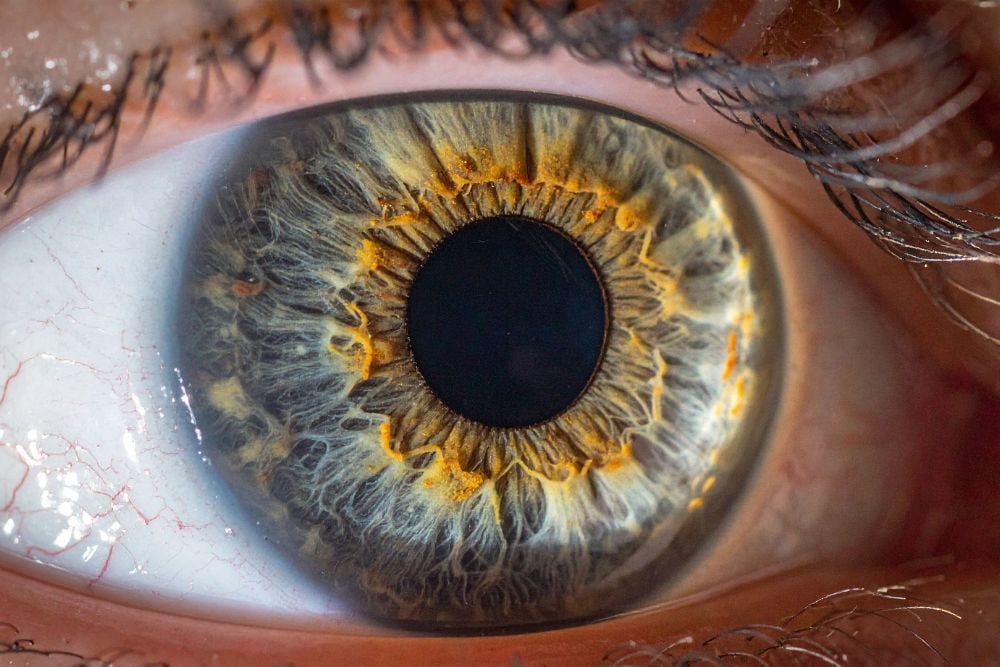
Fluorescein angiography is an important diagnostic tool used by retina specialists to assess the health of the eye. Using specialized dyes and high-resolution imaging, this test provides a detailed view of the retina's blood vessels, helping doctors identify conditions that can affect vision. Whether you’re preparing for the test or simply looking to understand more about retina health, understanding fluorescein angiography can empower you to take proactive steps to protect your eyesight.
What Is Fluorescein Angiography?
During fluorescein angiography, a fluorescent dye called fluorescein is injected into the arm. As the dye travels through the bloodstream, it reaches the blood vessels in the retina. A special camera then takes a series of rapid photographs as the dye moves through these vessels, illuminating any retinal issues. This technique is particularly useful for diagnosing:
- Diabetic retinopathy: Diabetes can cause complications that damage the retina's blood vessels, making early detection crucial to prevent vision loss.
- Retinal vein occlusion: This condition occurs when the veins that carry blood away from the retina become blocked, leading to swelling and potential vision problems.
- Age-related macular degeneration (AMD): A prevalent eye condition among older adults, AMD can lead to central vision loss and impact one's ability to perform daily activities.
Fluorescein angiography helps doctors identify these retinal issues early, enabling prompt treatment and better outcomes.
What to Expect During the Test
Understandably, you may feel anxious about undergoing a new procedure. However, most patients find fluorescein angiography straightforward, typically taking 15 to 20 minutes. The dye injection may feel like a quick pinch, and you might notice warmth spreading through your body as the dye circulates. While it’s normal to feel a little nervous, many patients report that the discomfort is minimal and short-lived.
Side Effects and Complications
After the test, it's common to experience some temporary side effects. You might notice a yellow tint to your skin or bright yellow urine. These are completely normal responses to the dye and should resolve within a day or two. Although rare, some individuals may experience allergic reactions to the fluorescein dye. Rest assured that the medical team will monitor you closely throughout the procedure to ensure your safety and comfort.
Fluorescein Angiography: Proactive Retinal Care
Fluorescein angiography is a valuable and effective tool for assessing retinal health and diagnosing potential vision-threatening conditions. By understanding the process and what to expect, you can approach the test with greater confidence and ease. Remember, your retina specialist is there to help answer your questions and ensure you receive an accurate diagnosis and personalized treatment plan.
At Southeastern Retina Associates, our physicians utilize advanced diagnostic tools and treatment options, including fluorescein angiography, to help patients protect and preserve their vision. For more information, please consult your regular eye doctor as soon as possible, and they may refer you to one of our offices. We see patients in Chattanooga, Knoxville, the Tri-Cities, and more.