
Can High Blood Pressure Damage the Retina?
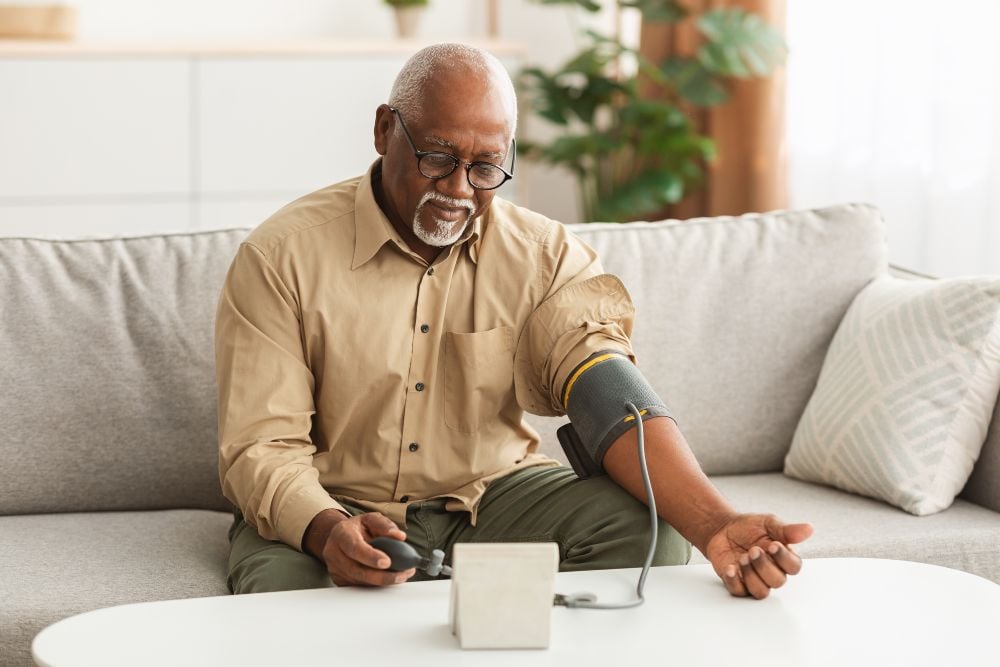
Did you know that high blood pressure can do more than just strain your heart? It can also take a toll on your eyes, and particularly the retina, which plays a crucial role in vision. As we go about our daily lives, it's essential to recognize the intricate connection between cardiovascular health and eye health. By understanding this link and its associated conditions, such as hypertensive retinopathy, we can take proactive measures to manage high blood pressure and safeguard our vision in the long term.
Understanding Hypertensive Retinopathy
Hypertensive retinopathy is a condition characterized by retinal damage due to high blood pressure. Elevated blood pressure can lead to changes in the retinal vessels, including narrowing, swelling, and the formation of small hemorrhages. These alterations result from increased pressure on the blood vessels, which makes them less flexible and can eventually reduce blood flow to the retina. Over time, this condition can result in serious complications, such as vision loss, if not properly managed. Early detection and treatment of high blood pressure are crucial to preventing or minimizing the effects of hypertensive retinopathy on vision and overall eye health.
Early vs. Advanced Retinal Changes
Hypertensive retinopathy progresses through distinct stages over time. In the early stages, retinal changes often occur without noticeable symptoms and can include:
- Narrowing of retinal arterioles
- Thickening of the arteriolar walls
- The presence of copper or silver wiring (vascular wall changes)
As the condition advances, the changes in the retina become more pronounced, leading to the development of:
- Cotton-wool spots: Small, fluffy, white patches on the retina caused by micro-infarcts (blocked blood flow) in the nerve fiber layer, which typically resolve on their own
- Retinal hemorrhages: Bleeding from blood vessels in the retina, which can cause sudden vision loss, blurry vision, floaters, or blind spots
- Retinal exudates: Yellowish, lipid-rich, waxy deposits that form in the outer retina, usually as a result of chronic leaky blood vessels, which can cause vision loss
- Retinal ischemia: When blood flow to the retina is insufficient to meet its high metabolic demands, potentially causing vision loss
Monitoring these retinal changes is crucial for the early diagnosis and management of hypertension, as it can help prevent severe ocular complications.
Eye Health and Cardiovascular Risks
Research shows that eye findings and overall cardiovascular risk are intricately connected. Vascular health is critical to vision because the eye, particularly the retina, relies on a dense network of tiny blood vessels for oxygen and nutrients. Changes observed during a routine eye exam can signal underlying health conditions, serving as an early warning system for cardiovascular issues.
Getting Comprehensive Care
Managing your blood pressure is vital for maintaining overall health and preventing serious complications, such as hypertensive retinopathy and other vision problems. Regular eye exams are crucial, as they can help detect high blood pressure-related issues, often before symptoms appear. By being proactive about your health, you can protect your vision and maintain your quality of life.
At Southeastern Retina Associates, our experienced retina specialists can diagnose and treat a wide range of conditions, including hypertensive retinopathy. Even if your vision seems fine, if you have high blood pressure or are at risk of developing it, please consult your regular eye doctor as soon as possible, and they may refer you to one of our offices. We see patients in Chattanooga, Knoxville, the Tri-Cities, and more.